
Behind the scenes at Marcolini — from cocoa tree to chocolate bar
Some visits change the way you look at a product. The one Jérôme and I took at the heart of the Pierre Marcolini Chocolate House is a perfect example. In just a few hours, we stepped into a world few people ever get to see from the inside — that of a chocolatier who does everything, truly everything, starting with the bean.
Pierre Marcolini — a destiny built on passion
The story begins at 16, when Pierre Marcolini tells his family he wants to become a pastry chef — against everyone’s advice. He starts an apprenticeship, hones his style, enters competition after competition, and devotes five years of his life to preparing for the World Pastry Championship. He wins. Since then, he has never stopped breaking the mold — from packaging reimagined as a 19th-century jewelry trunk to the concept boutique launched in 2000, designed like a jeweler’s showcase. Twenty-five years later, the model still holds.
54 boutiques worldwide. Not 600, not 1,500. 54 — curated, controlled, uncompromising. It’s a choice. The choice to never dilute.
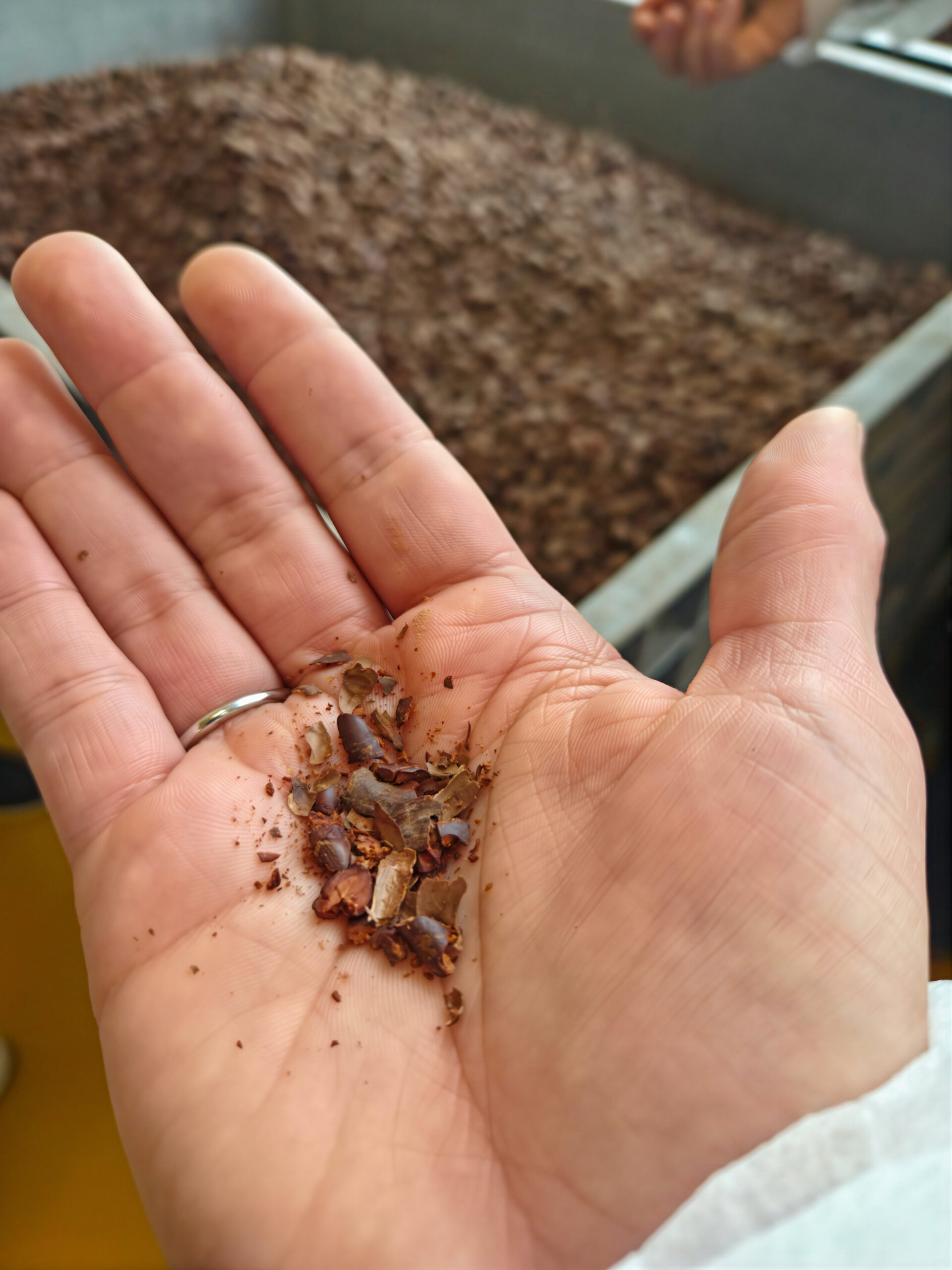
Bean-to-bar — and it changes everything
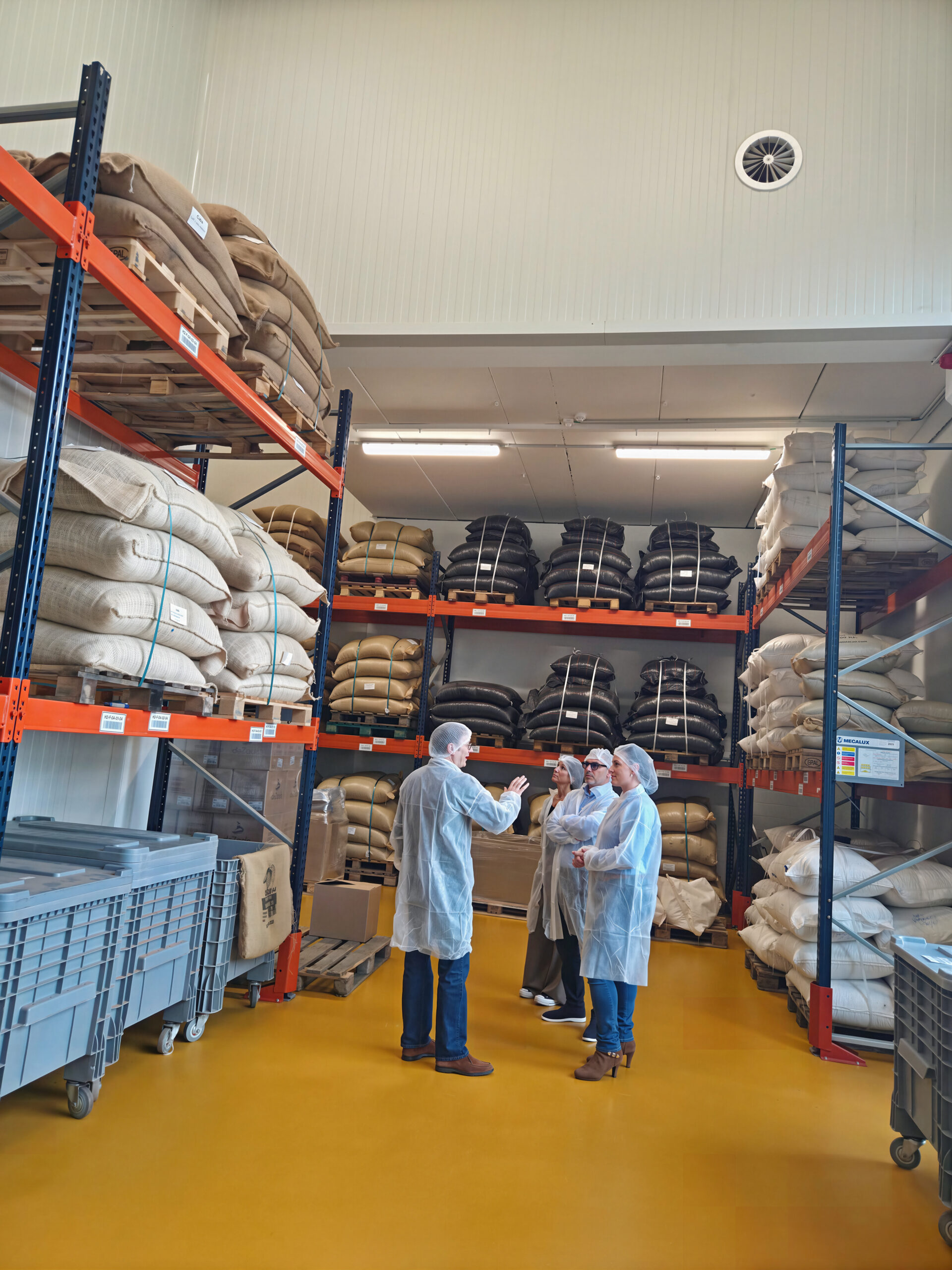
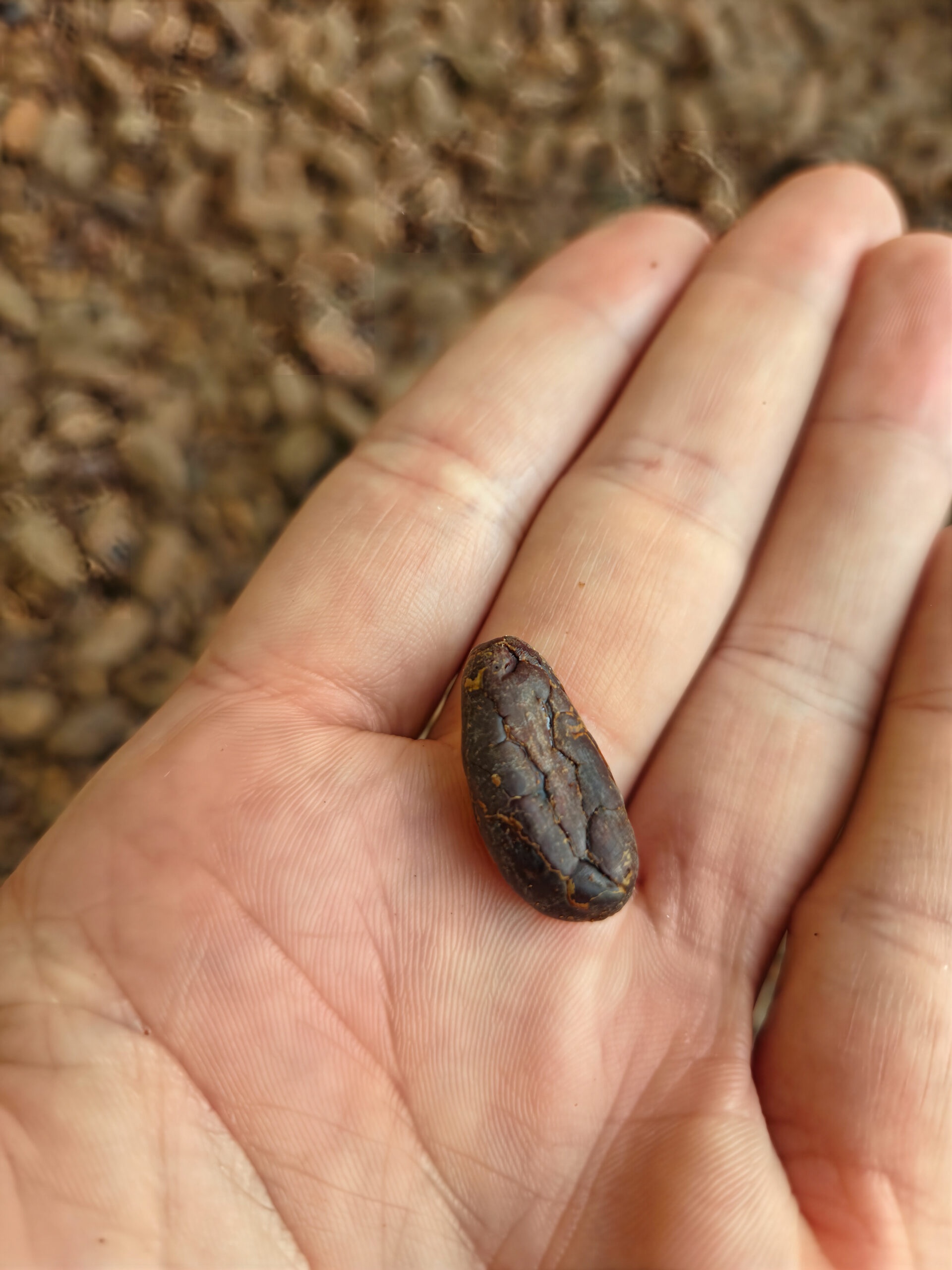
What fundamentally sets Marcolini apart from the vast majority of Belgian chocolatiers is simple: he starts with the bean. Not with already-melted chocolate bought from a supplier. With raw beans, fermented, dried, and imported directly from partner plantations.
Most of the big names — Godiva, Leonidas, Neuhaus — are, in reality, confectioners. They assemble from existing chocolate, like making sangria from store-bought wine. Marcolini, on the other hand, is the winemaker. He grows the vines, vinifies, bottles. And you can taste it.
Cocoa terroir — a revelation
What struck us most during this visit was the complexity of the world of the cocoa bean. People often talk about “Madagascar chocolate” or “Cuban chocolate” as if that were enough. It’s not enough — it’s like saying “a French wine.” Madagascar is as large as France. Cuba has its own microclimates. What matters is the region, the plot, the variety.
The three major cocoa tree families — Criollo, Forastero, Trinitario — produce radically different aromatic profiles. Criollo, the rarest, requires manual pollination flower by flower, with a cotton swab. Its cultivation is almost disproportionately complex, limited to small artisanal farms. Marcolini buys it exclusively — some of the rarest and most expensive beans in the world, sourced from growers paid three to eight times the market price, who ferment in barrels and dry slowly on the ground for seven days.
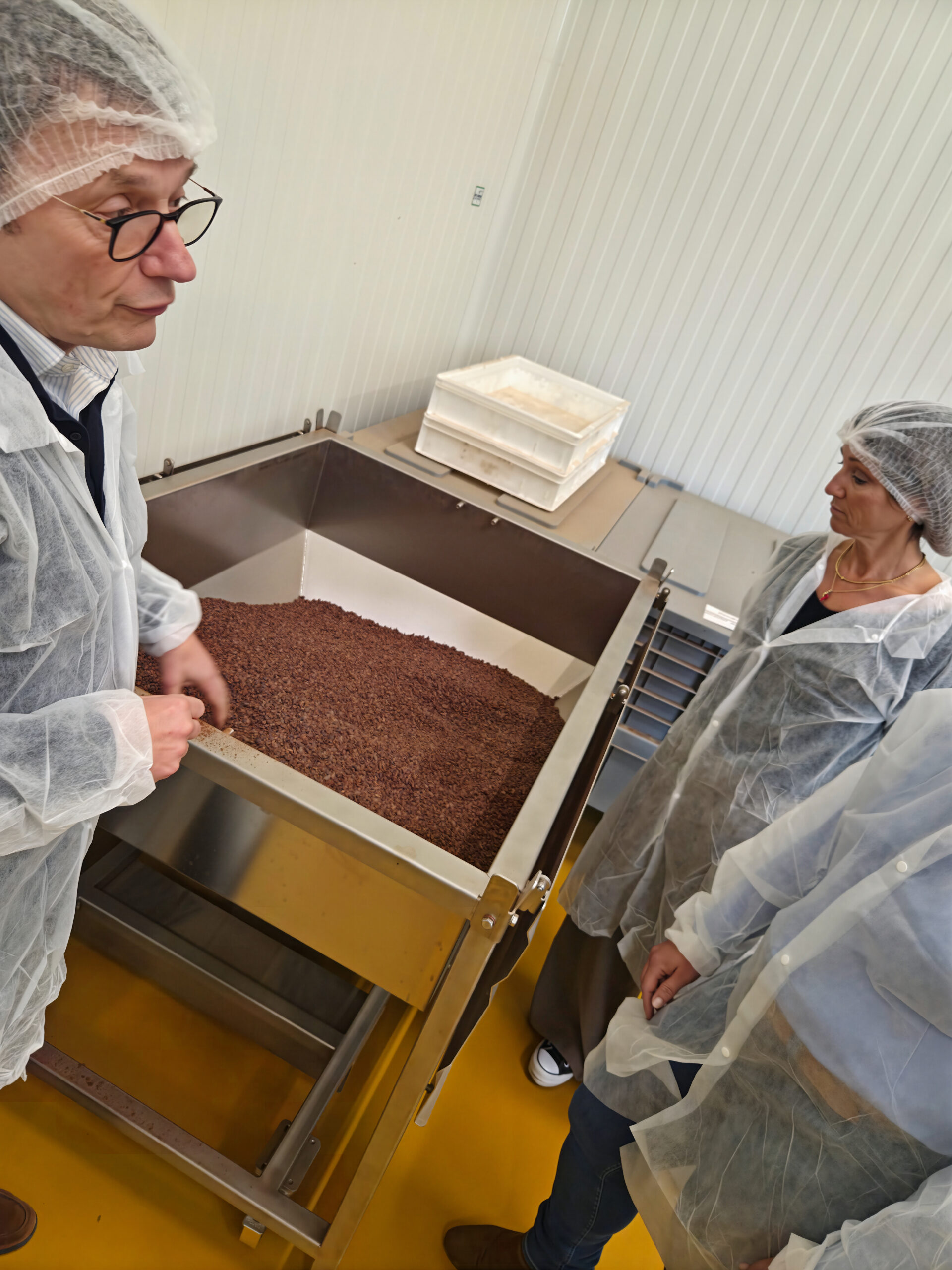
Roasting — ten years to master the craft
Once the beans arrive, the real work begins. Roasting is the key that unlocks aromas — and it follows no universal recipe. Cuba is roasted at 162°C for 31 minutes. Madagascar at 146°C for 23 minutes. Five minutes too long and the bean burns. Five minutes too short and the aromas stay locked in. It took Marcolini ten years to master this craft.
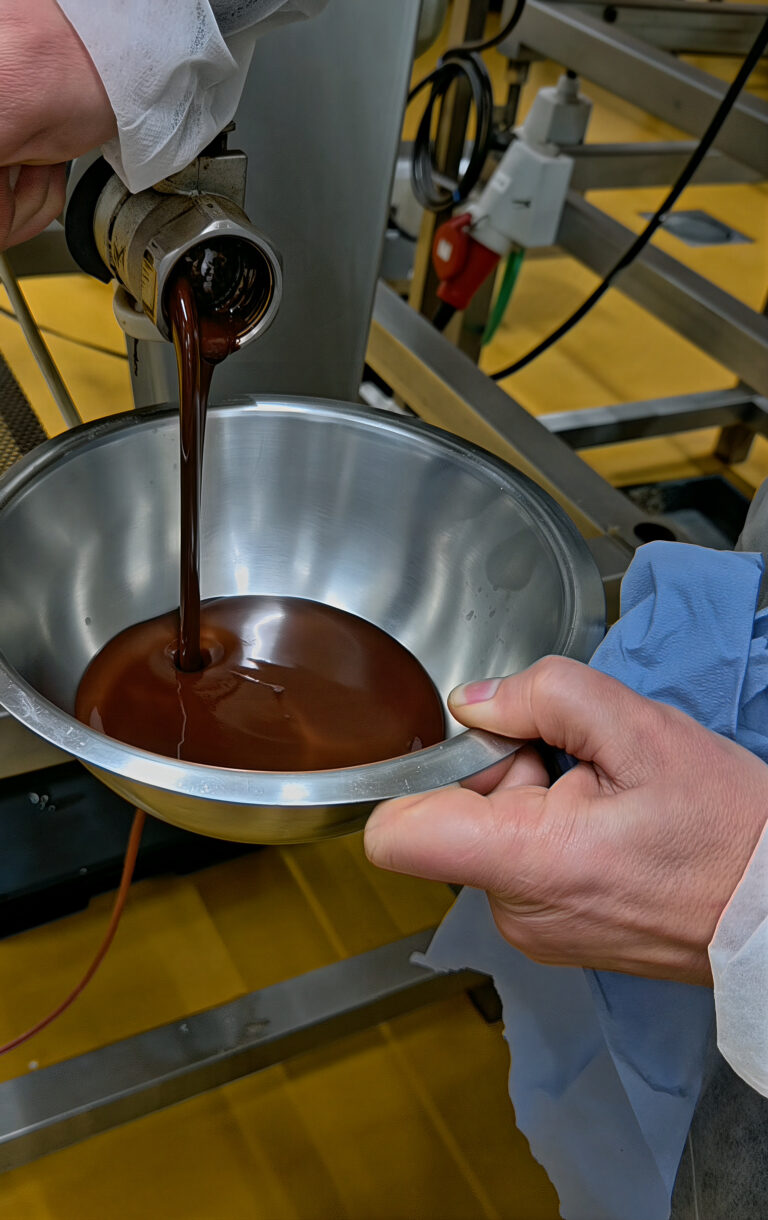
After roasting comes grinding, until you get a pure cocoa liquor — 100% cocoa, with nothing added. This is the stage where the flavor is set for good. Next, refining reduces particle size to 8 microns for optimal melt-in-the-mouth finesse, and conching — up to 24 hours of mixing — rounds out the aromas and polishes the texture. Slow. Precise. Uncompromising.